


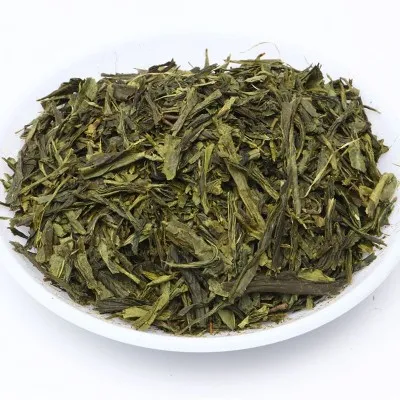
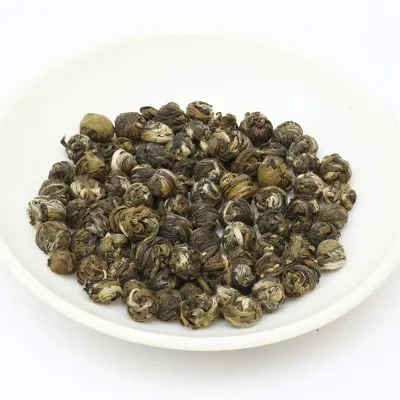
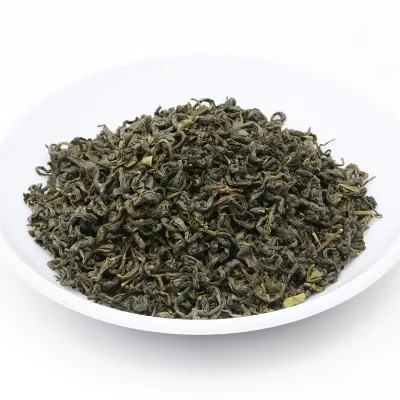
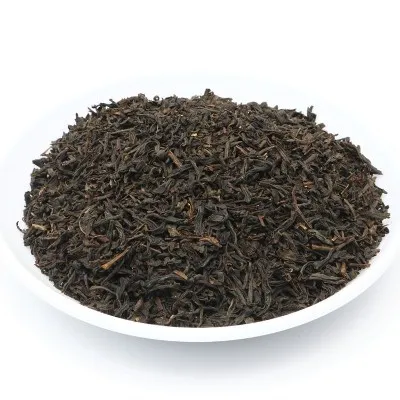
Green tea is the earliest tea in history. Ancient humans collected wild tea buds and leaves and dried them for collection, which can be regarded as the beginning of green tea processing in a broad sense, at least three thousand years ago. But the real green tea processing began with the invention of the steaming method in the 8th century AD, and the invention of the stir-frying method in the 12th século . A tecnologia de processamento de chá verde tem sido relativamente madura e tem sido usada até hoje e foi continuamente melhorada .
Green tea is the largest tea in my country, and its production areas are distributed in various tea-producing provinces, cities, and autonomous regions. Among them, Zhejiang, Anhui, and Jiangxi provinces have the highest production and the best quality, and are the main bases for green tea production in my country. In the international market, my country's green tea accounts for more than 70% of the international trade volume. The sales areas are spread across North Africa, West Africa, France, the United States, Afghanistan and more than 50 other countries and regions. In the international market, green tea sales account for more than 1/3 of the total domestic sales. At the same time, green tea is the main raw material for the production of scented chá .
A qualidade do chá varia muito e pode ser identificada com base na aparência e na sopa de chá fabricada e no fundo da folha .
Novo chá e chá velho A aparência de chá novo é verde brilhante e brilhante, e cheira ao aroma de chá forte; A sopa de chá fabricada é verde esmeralda, com uma fragrância fresca, fragrância de orquídea, fragrância castanha madura, etc. . e tem um gosto doce e refrescante, com folhas verdes brilhantes .
A aparência do chá velha é amarelo escuro, sem graça e tem um aroma baixo . se você soprar ar quente nas folhas de chá, as folhas em lugares úmidas são amarelas e secas e cheiram frio; A sopa de chá fabricada é amarela escura e o sabor é suave, mas não refrescante, e as folhas são velhas e amarelas e não brilhantes .
Chá de primavera, chá de verão e chá de outono A aparência do chá da primavera é resistente e cheia, verde escuro, úmido, e as folhas são apertadas e pesadas; A sopa de chá fabricada é forte, doce e refrescante, com um aroma forte, e as folhas são macias e brilhantes .
A aparência do chá de verão é grossa e solta, com cores mistas, e os botões das folhas são claramente amadeirados; A sopa de chá fabricada é adstringente, as folhas são duras, as veias são expostas e existem folhas verde-cobre .
A aparência do chá de outono é apertada e fina, com muitos tendões de seda, de cor verde e verde; A sopa de chá é de cor clara, leve e ligeiramente doce, de sabor, leve no aroma, macio na base foliar e principalmente peças únicas de cor de cobre .
Chá de alta montanha e chá de alta montanha liso tem uma aparência grossa, verde e brilhante; A sopa de chá é de cor verde brilhante, com aroma duradouro, sabor forte, base brilhante em base de folhas e textura macia .
A aparência do chá simples é fino, fino e verde-amarelo de cor; A sopa de chá é de cor clara, leve em aroma, suavemente de sabor, com força na qualidade das folhas e exposta em veias .
The wild species is found in the mountainous areas of provinces south of the Yangtze River in China. It is a small tree with large leaves, often more than 10 cm long. Over a long period of time, it has been widely cultivated, and its hair and leaf shape have changed greatly. Tea can be used as a drink, contains a variety of beneficial ingredients, and has health benefícios .